
THE ARCHIVES OF BELONGING
Enrollment opens Late Fall 2026
Who are you?
Not your resume. Not your role. Not the story you've been handed about your losses and your lineage.
Who are you — by blood, by bone, by soul, by spirit?
The Archives of Belonging is an invitation into the story that is larger than you.

THE OFFERING
The Archives of Belonging is a sacred container for ancestral story-ing, witness, and becoming.
We move through four ancestral cycles — Blood, Bone, Soul, Spirit — tending both the wounds and the gifts of what was handed down, restoring the bonds of kinship with our ancestors in all their forms, and building a living archive of story, image, praise, and grief that belongs to all of us.
This is not therapy. It is not a workshop. It is a communal practice of becoming — rooted in Guided Autobiography, ancestral wisdom, creative expression, and contemplative tradition — grounded in the understanding that we come into ourselves in community, not in isolation.
We gather virtually, in an intimate group limited to eight. We tell our stories in whatever form they ask for: writing, collage, image, voice, and every kind of making. We share our stories whole. We witness each other without fixing. We story our way home.
THE FOUR CYCLES
Blood
The personal lineage. Inherited wounds and gifts. What was handed down by blood.
Bone
The body's long memory. What you carry that is older than you know.

Soul
Chosen kin. Those who recognized you in person, across time, across the threshold of death.
Spirit
Land, cosmos, the long becoming. Sun, moon, planets, stars, nebulae, deep field.
This is for you if —
You sense that your lineage holds both wounds and gifts you haven't fully touched.
You are drawn to ancestral work, contemplative practice, or sacred community — and you want all three at once.
You know that who you are becoming is larger than who you have been told you are.
You are ready to stay with something long enough to meet what lives beneath the surface.

What becomes more possible…
I can only tell you what became possible for me.
In the last decade loss arrived not once but in a series, the way it tends to. Each one came with a story attached — what happened, what it meant, what it cost, who I had to become afterward. For a long time I thought the task was to get over those stories: to metabolize them, tidy them, set them somewhere they would stop weighing so much. What I found instead was that they longed for presence and witness. To be seen whole, without repair, with no rush to soften them. And there is good company in the sharing.
A fellow end of life doula said recently that grief is like a hum — that it doesn't end; that it goes on underneath everything. I have been sitting inside that sentence ever since, and the music in it keeps opening. A hum is not noise. In much of the world's music the hum is the ground, the chthonic earthiness beneath the melody. It never stops and never asks for attention. Everything else is tuned to it. Take it away and the song loses its bottom; the melody floats, pretty and unanchored.
Music is made rich by polyphony — many notes at once, each keeping its own line. It needs the low end of the register. It needs the flats and the sharps, the notes that live just outside the key. Harmony is not created by agreement but by distinct voices held in the same air. Remove the accidentals and you don't get a purer song, only a thinner one.
My losses are notes in that music. So are my parents, and their parents, and whatever came down the line to me unnamed. Some of those lines are low. Some of them bend. Together they make something no single sound could, and I wouldn’t trade it for an easier song.
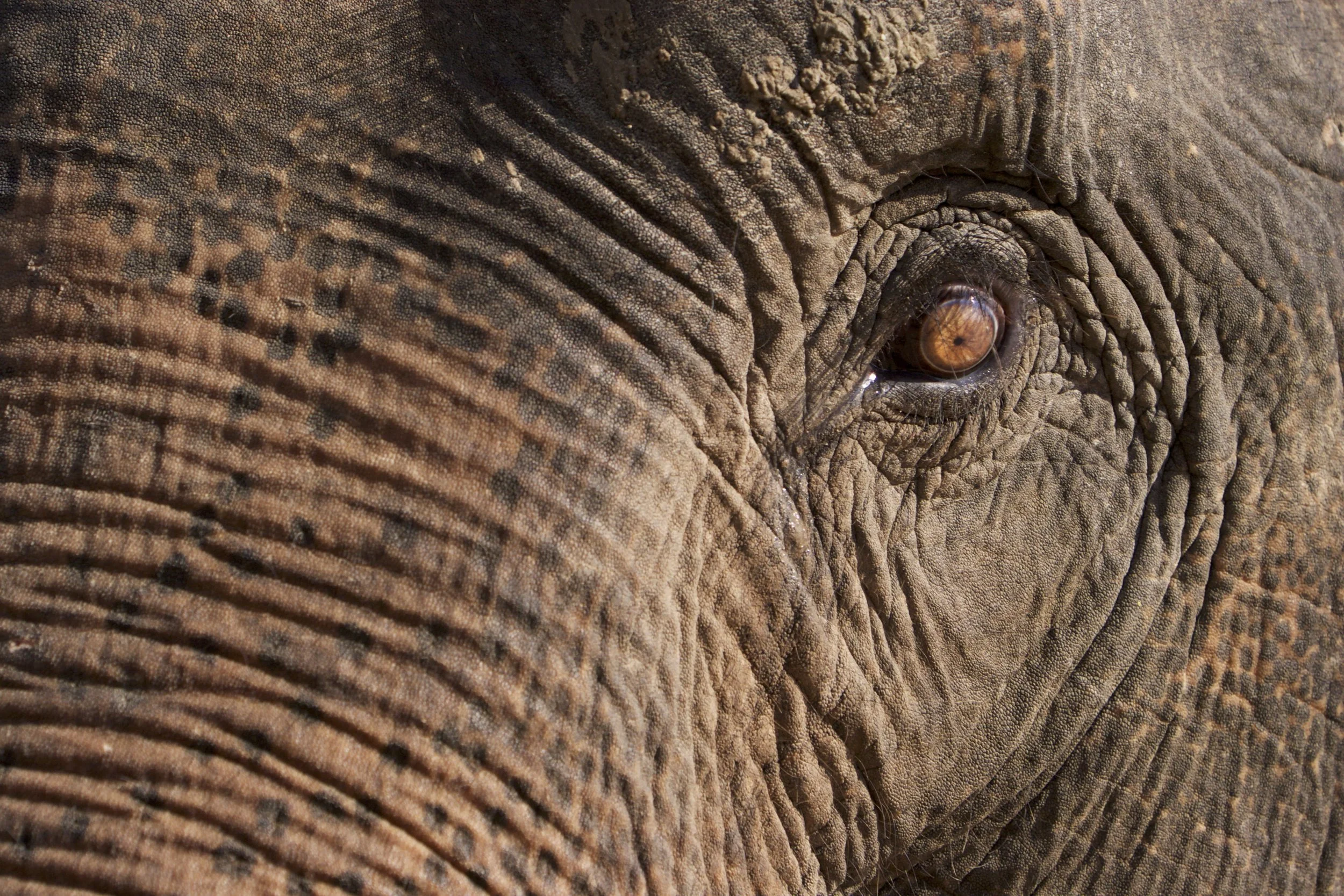
The work was never to silence the hum. It was to hear the depth it gives everything else.
This is what exploring my own archives made possible.
I have found a practice for making peace with my mother — not tidiness or resolution. Peace. And not only with her loss, but with her. On the far side of that peace my love for her as a person has grown: someone with her own quest, her own weather, her own limits, her own beauty. Always more than my mother. That turned out to be a freedom I hadn't known was on offer.
An unexpected boon has been more love for myself, as I see daily how she lives on through me. Some days it makes me laugh out loud. New wells of energy and spiritual resource have revealed themselves. Decades' worth had been bound up in stories I was carrying without quite seeing that I carried them. Expressed whole and witnessed, they have loosened their grip, and what had been holding them became mine again. I’m more open to pleasure and creativity than I was. That is not a small outcome.
The Archives of Belonging is coming into form because there was, at last, enough of me to make it.
And making it has been a joy.
Now, I came to this through loss. Others may come through curiosity, celebration, restlessness, or the urge to create something new from what they were given. The door doesn't matter much. The room is the same.
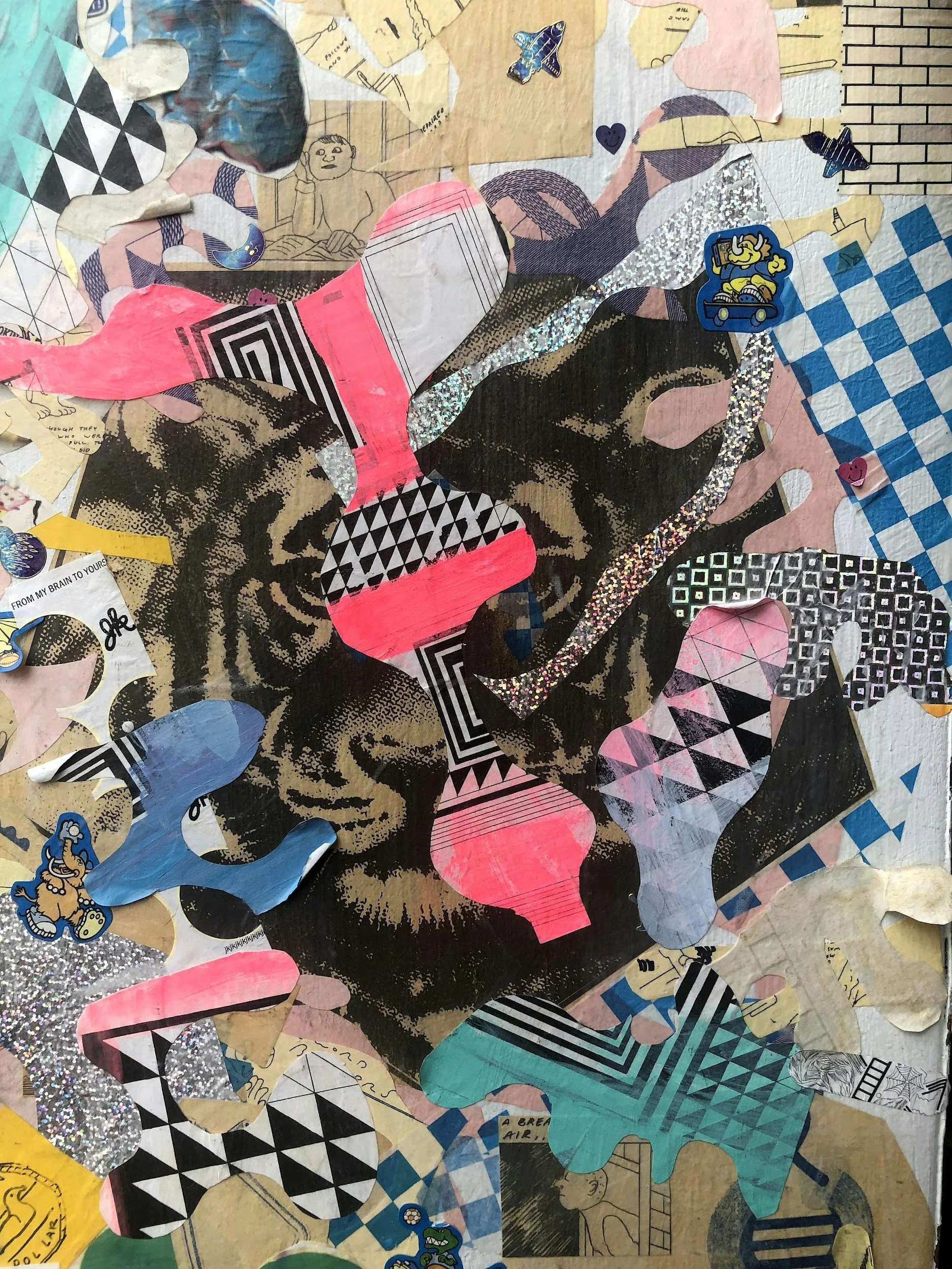
Those who take up the whole of their story tend to live more of it.
And then wider —
Sit with your own story long enough, and it stops being only yours. Each cycle opens further out than the last. You find yourself belonging to a family, then to a lineage, then to a people, then to a living world that has been claiming you the whole time.
What is known about this
None of this is novel, and it isn't only mine. There is a long lineage of people who have gathered others to tell the stories of their lives — and who understood that telling is not confined to sentences. Maya Angelou made a life into literature and named the particular agony of a story kept inside. Audre Lorde refused the idea that poetry is a luxury. Christina Baldwin named the storycatcher and brought the circle back as a form. Pat Schneider insisted that everyone is already a writer. Pat B. Allen called art a way of knowing; Shaun McNiff taught a generation to trust the process rather than manage it. The hands often reach the story before the language does.
So the archives invite making of every kind. Write it, if writing is your way in. Or paint it, stitch it, gather it, sing it, build it from the materials on your table.
Their findings converge, and they converge with the research on life review — on what happens in a person who lets the whole shape of a life come into view. Greater capacity for life, not less of it. Steadier ground. A marked opening in creativity. And what Birren called the developmental exchange: the discovery that hearing another person's story changes your own.
I offer my own experience as testimony.
Your Host,
Sherri Taylor

I believe in the medicine of story — and in story-ing as a sacred act. Everyone carries an archive. But not every archive has been welcomed, and certain lineages, certain ways of grieving and belonging, have been denied accompaniment and dignity. The Archives of Belonging exists, in part, to make a place where every story is welcome.
What I aspire to bring is not answers. Presence. And the conviction that we come to know ourselves in company — that what we cannot quite see alone can become clear when others hold it with us.
I have been called a minister of imagination, and more than once a wizard, which I have decided to keep. I believe the body knows things before the mind catches up, that play is a serious method, and that some of the holiest moments in a circle arrive as laughter.
This offering is rooted in the Guided Autobiography tradition — a facilitated autobiographical practice developed by gerontologist James Birren — woven together with ancestral wisdom, contemplative practice, and decades of accompanying people across thresholds of all kinds.
The first cohort is forming.
Enrollment opens Late Fall 2026.
An intimate group — limited to eight. All enrolled participants are welcomed at a group orienting meeting before the cohort opens.